Farm & Ranch Fence in Brownsville TX
Livestock fencing built for South Texas ranching.
Get a Free Quote: (956) 303-8258Farm & Ranch Fence in Brownsville, TX
Agricultural fencing in Cameron County needs to handle cattle, horses, and the harsh conditions that come with ranching near the Gulf Coast. Brownsville Fence Builders builds farm and ranch fencing that contains livestock, marks property lines, and stands up to years of use. We install pipe fencing, barbed wire, high-tensile wire, and no-climb horse fence across working ranches and rural properties throughout the Rio Grande Valley. Our crews understand agricultural fencing because we've built miles of it on real working land.
Ranch Fence Types: Pipe, Wire, and Specialty Options
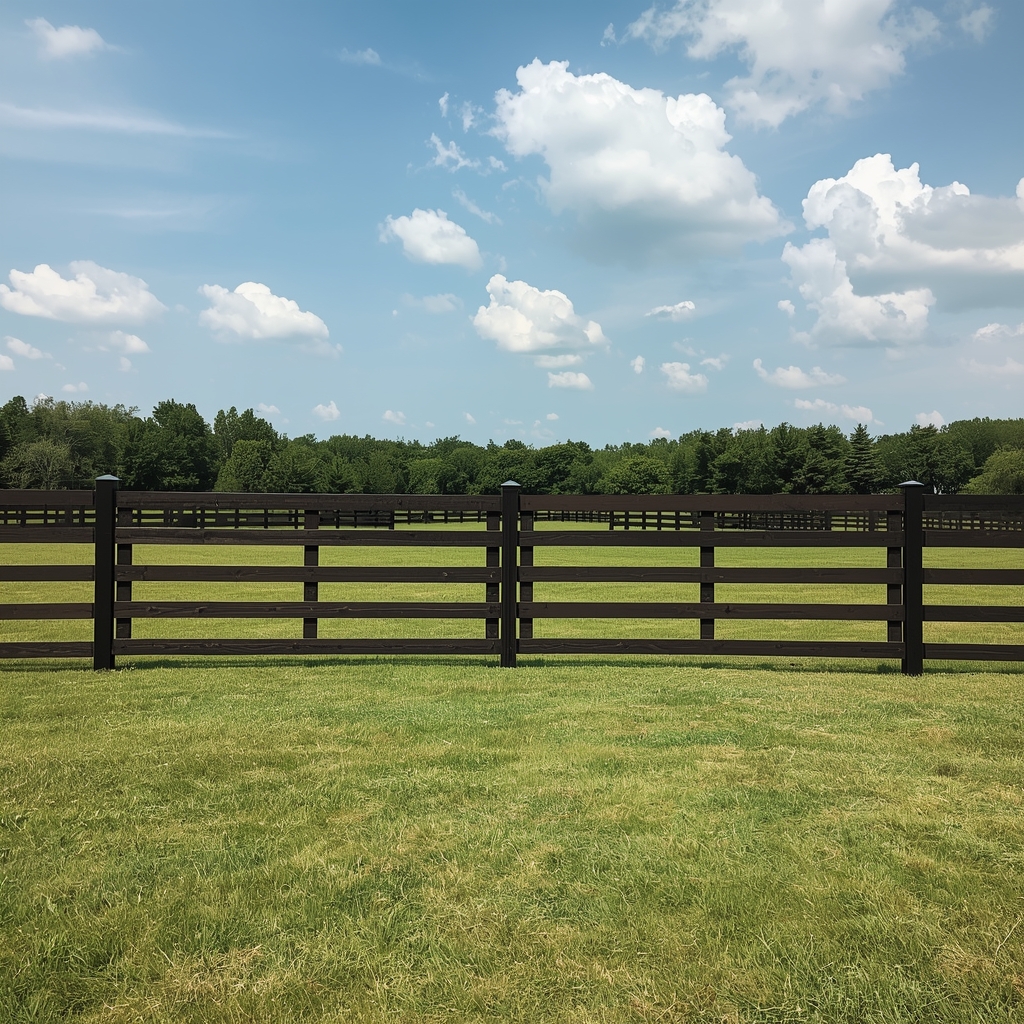
Pipe fencing uses steel pipe — typically 2-3/8 or 2-7/8 inch diameter — welded to steel posts. It's the premium choice for horse facilities, cattle working pens, and property entrances where appearance matters. Barbed wire remains the most economical option for large acreage, using T-posts and wooden corners with three to five strands depending on livestock type. High-tensile smooth wire works for cattle with fewer posts than barbed wire and lower maintenance over time. No-climb woven wire prevents horses from getting hooves caught — critical for operations where injury prevention justifies higher material cost. We also build pipe and cable combinations, game fencing, and custom corrals.


Get Your Free Farm & Ranch Fence Quote
Limited Slots Available This Month!
Farm & Ranch Fence Installation in Brownsville: Built for the Land
Ranch fencing in Cameron County faces challenges that suburban fence contractors don't understand. The clay soil expands and contracts with moisture, loosening posts over time. Brush and mesquite grow into fence lines. Cattle test every weak point. We set corner posts with proper bracing — H-braces or diagonal braces depending on the pull — because corners take the most stress. Line posts go deep enough to resist cattle pressure and soil movement. Wire gets tensioned correctly so it doesn't sag in summer heat or snap in winter cold. These fundamentals separate fencing that lasts from fencing that needs constant repair.
Why Ranchers Trust Brownsville Fence Builders
We've built fencing on working ranches from Harlingen to the river. Our crews show up with the right equipment — post drivers, wire stretchers, welding rigs — not a pickup truck and hope. We understand that ranch fencing often covers rough terrain with limited access, and we plan accordingly. When we quote a job, we account for actual conditions rather than assuming flat open ground. Our material recommendations match what the fence needs to contain — cattle require different specifications than horses, and goats demand tighter mesh than either. We build fence that works for your operation, not generic installations that leave problems for you to discover later.
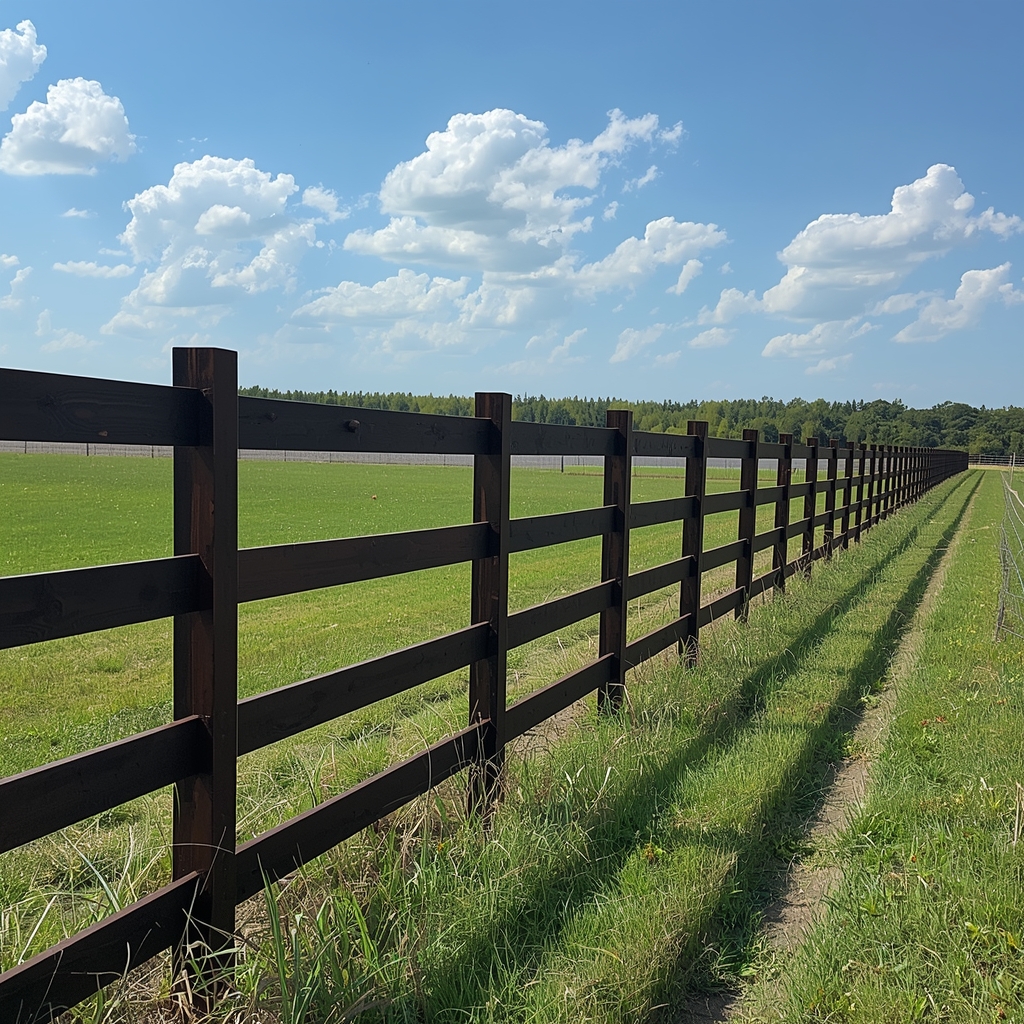
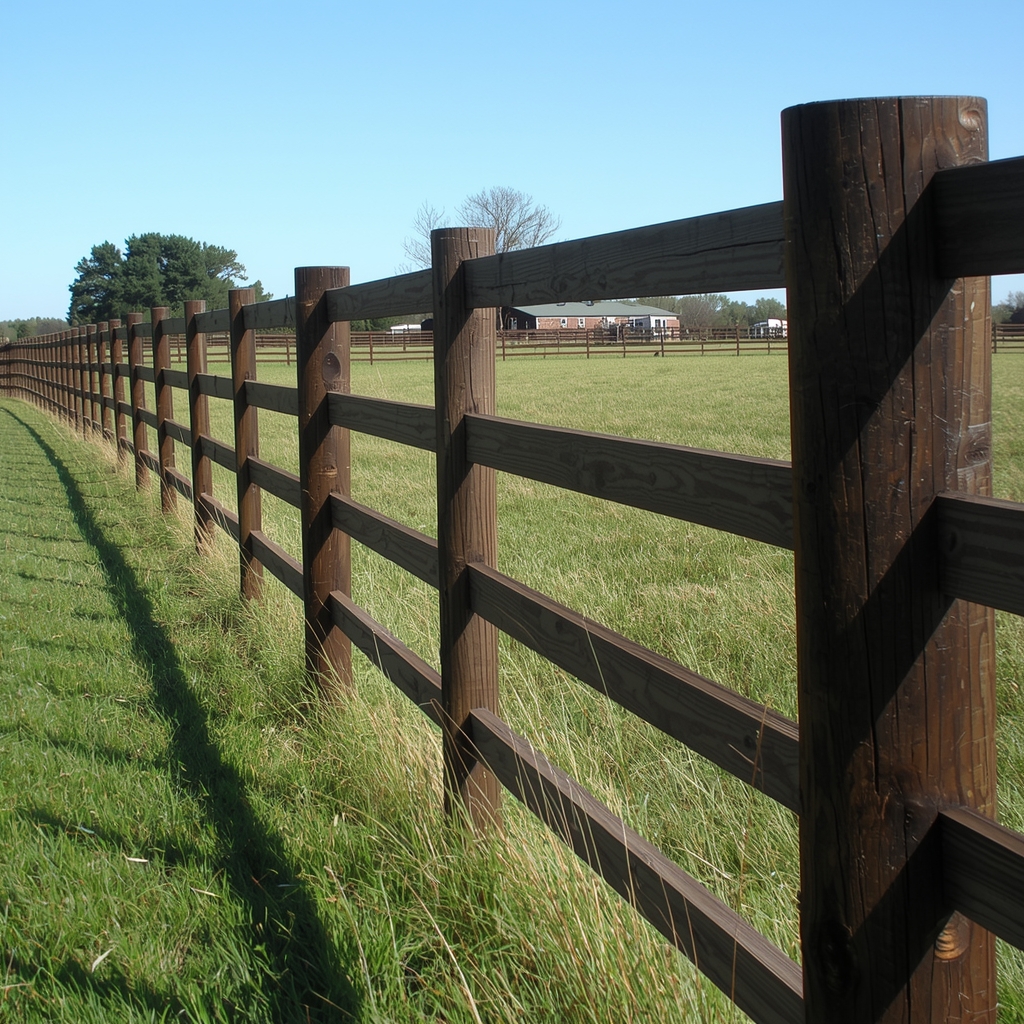
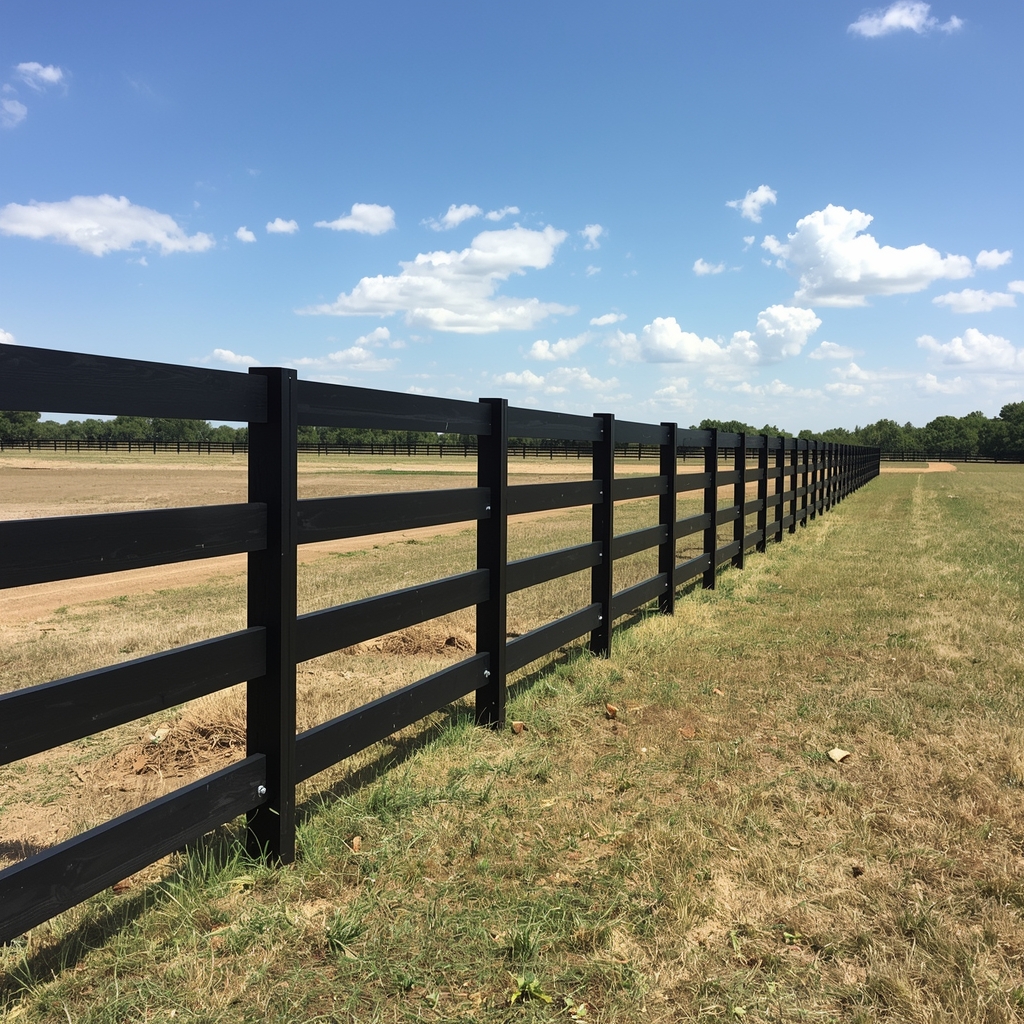
Farm & Ranch Fence Projects in the Rio Grande Valley
Signs You Need Farm & Ranch Fence in Brownsville
Agricultural fencing serves practical purposes. Here's when it's time to build new fence or replace what's failing.
Livestock Keep Getting Through the Fence Line
Escaped cattle mean liability, lost animals, and damaged neighbor relations. If you're constantly chasing livestock back through holes in the wire or gaps under gates, patch repairs aren't solving the underlying problem. Old fencing with rotted posts, stretched wire, and compromised corners needs replacement, not more patches.
You're Converting Land to Agricultural Use
Raw acreage in Cameron County often lacks proper livestock fencing. Existing fence lines may be property boundary markers that won't contain animals. Before bringing cattle, horses, or goats onto new land, you need fencing built to agricultural standards — correct wire type, proper post spacing, and gates positioned for practical access.
Horses Need Safer Fencing Than What's Installed
Barbed wire injures horses. Standard field fence lets hooves get caught. If you're boarding horses or running an equine operation, no-climb fencing or pipe rail prevents the injuries that barbed wire causes. Converting existing cattle fence to horse-safe fence protects your animals and reduces vet bills.
Storm Damage Has Compromised Multiple Sections
Gulf storms knock down trees, rip out posts, and tangle wire across pastures. If hurricane season left you with more damaged fence than intact fence, rebuilding makes more sense than trying to splice together what's left. New fence with properly set posts will handle the next storm better than repaired old fence.
Our Step-by-Step Farm & Ranch Fence Process
Brownsville Fence Builders approaches ranch fencing with the planning and execution that large-scale agricultural work demands.
Property Survey and Fence Planning
We walk or drive the fence line to assess terrain, identify obstacles, and locate corner and gate positions. For large properties, GPS mapping helps ensure accurate footage estimates. We discuss livestock type, stocking density, and any special requirements like wildlife exclusion or cross-fencing for rotational grazing.
Material Specification and Delivery
We specify posts, wire, and hardware based on your actual needs — not generic one-size-fits-all specs. Materials get delivered on-site and staged for efficient installation. For remote locations, we coordinate access and staging areas to keep the project moving without delays.
Corner and Gate Assembly
Corners go in first because they anchor the entire fence line. We build H-braces or N-braces rated for the wire tension your fence requires. Gates install with proper clearance and hardware sized for agricultural use — not residential hinges that fail under daily ranch traffic. This framework must be solid before line construction begins.
Line Construction and Wire Installation
Line posts drive or set at spacing calculated for your wire type and livestock pressure. Wire installs with proper tension — tight enough to resist animals, loose enough to handle temperature changes. We clip wire to posts correctly and install stays where needed. Final inspection covers the entire fence line to confirm everything is tight, straight, and ready for livestock.
What Our Clients Say
"They installed a beautiful cedar fence around our backyard. The crew was professional, showed up on time, and cleaned up everything when they finished. Couldn't be happier with the result."

Ready to Get Started?
Get a free estimate on farm and ranch fencing for your property. We'll survey the land, discuss your operation's needs, and provide honest pricing.